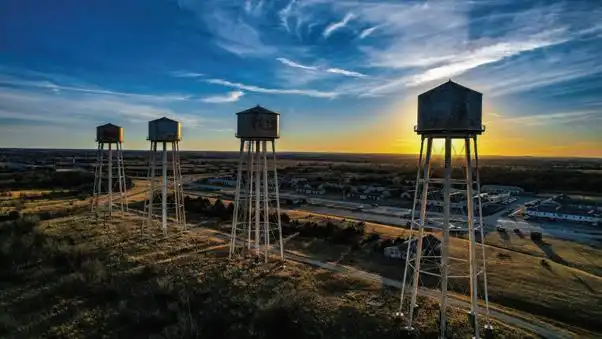

The most expensive mistakes on a capital project are made before construction starts. IPI can help design the entire project delivery system before execution begins.
Most projects do not get into trouble during construction. They get into trouble during planning.
By the time those gaps surface in the field, the cost of fixing them is a multiple of what early alignment would have required.
Prevent downstream project failure before execution starts.
IPI connects planning, controls, procurement, construction, safety, and operations before execution begins, so decisions made early hold up under field pressure.
We ask the hard questions early, pressure-testing assumptions before they get locked in, and making sure the project is structured to succeed before construction begins. We also integrate risk assessment, constructability, operational requirements, and long-term business objectives into the planning phase so the project enters execution with clarity, not just momentum.
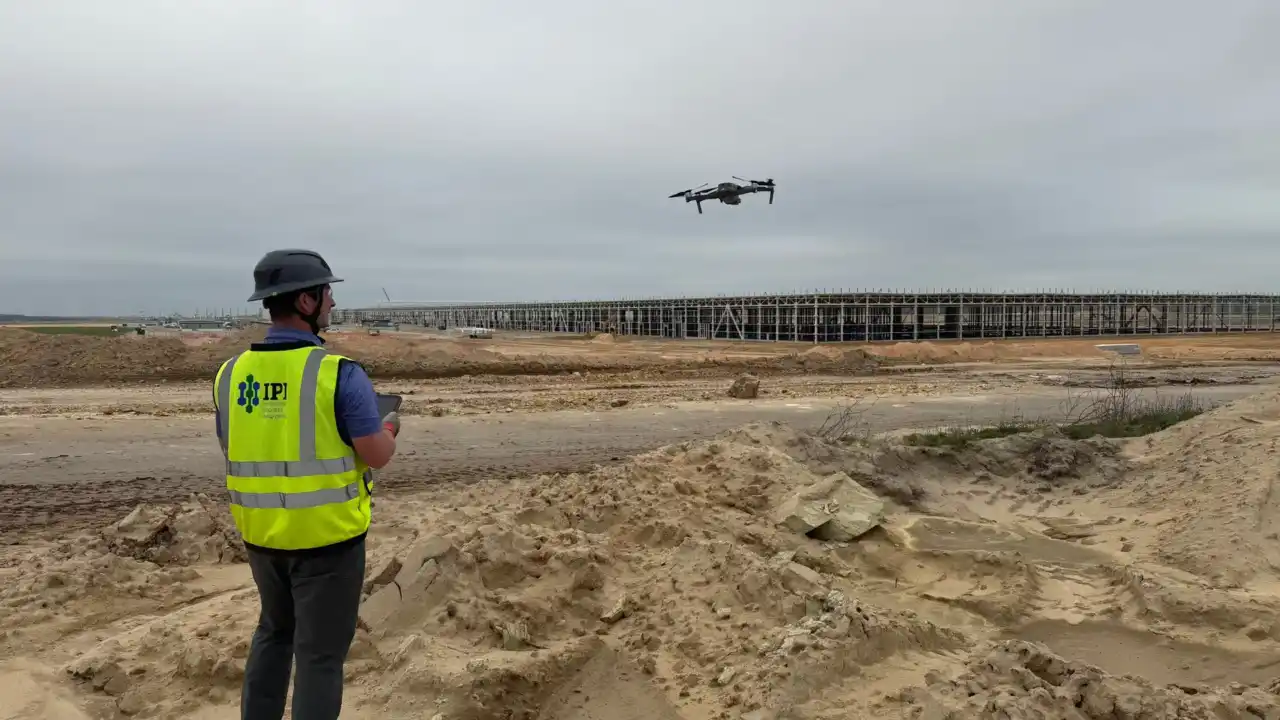
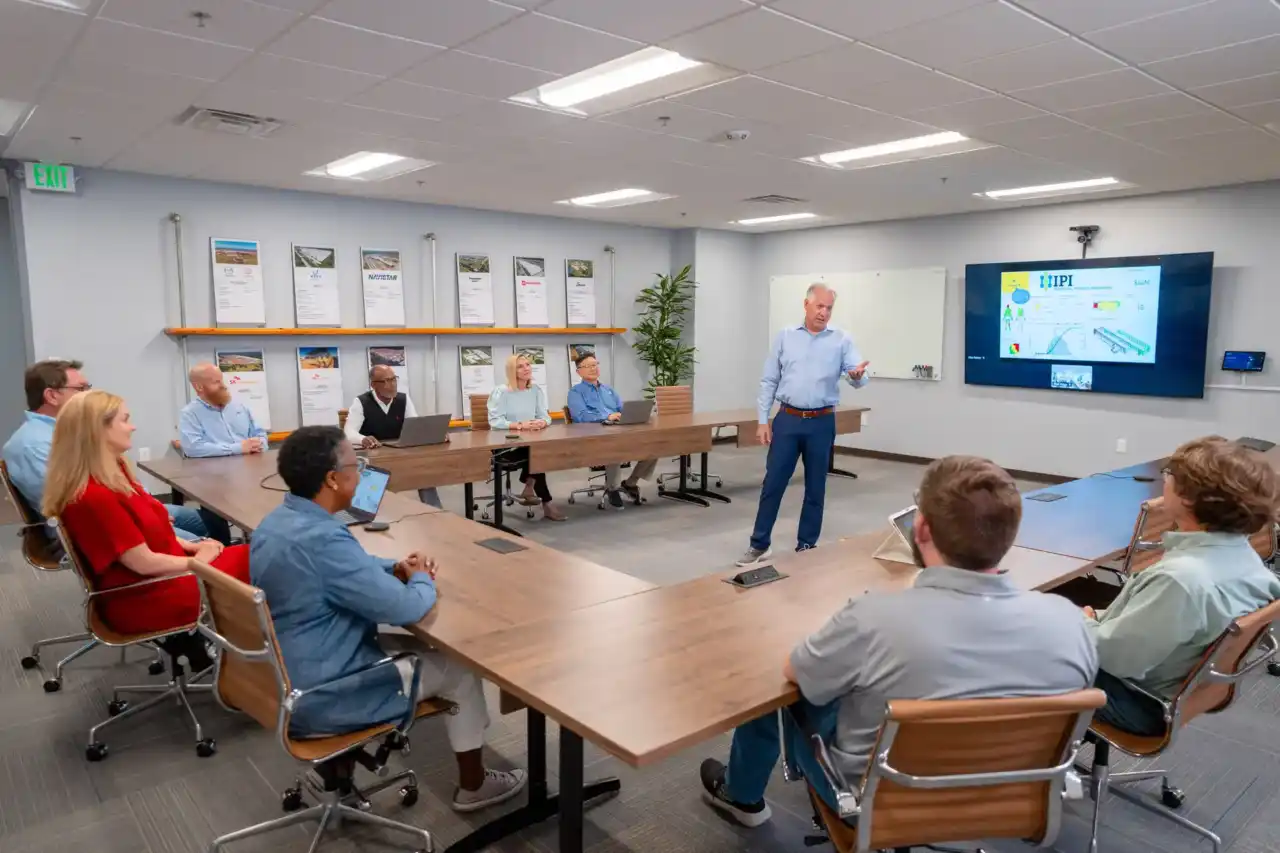
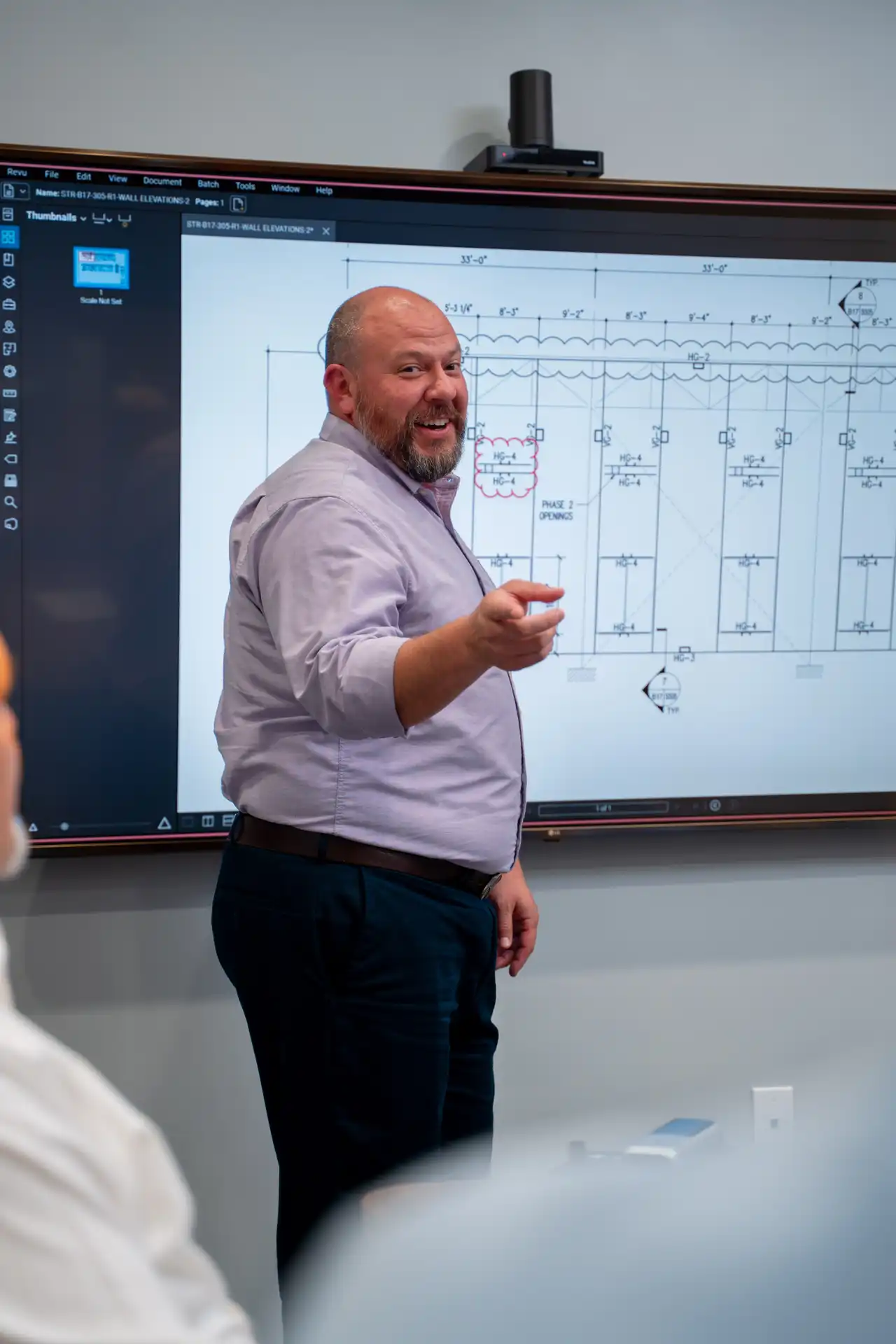
Aligned Before Execution. Not After.
WITHOUT IT: Projects enter execution with different stakeholders carrying different assumptions about what is being built, why, and to what standard. Those gaps do not close on their own.
WHAT IPI DOES: IPI works with ownership, operations, and project teams to define scope with enough precision that every stakeholder is aligned before commitments are made. That alignment becomes the anchor for every decision that follows.
WHAT YOU GET: A shared project definition that holds up under execution pressure and reduces change order exposure downstream.
Find the Risk Before the Risk Finds the Project
WITHOUT IT: Risk that is not mapped early does not disappear. It waits. And when it surfaces during execution, it arrives as cost exposure, schedule loss, or both.
WHAT IPI DOES: IPI conducts structured risk identification and mitigation planning at the front end of every project. We look across scope, budget, schedule, procurement, stakeholder alignment, and field execution to surface what could go wrong and build a plan to address it before it does.
WHAT YOU GET: A project that enters execution with known risks managed, not discovered.
Alignment Is Easier Before Contractors Mobilize
WITHOUT IT: Projects with misaligned stakeholders produce conflicting direction, slow decisions, and field confusion. When ownership, operations, engineering, and construction are not working from the same plan, the gaps show up as change orders and delays.
WHAT IPI DOES: IPI builds stakeholder alignment into the planning process, not as a kickoff meeting formality but as a structured discipline that defines roles, decision rights, communication cadence, and accountability from the start.
WHAT YOU GET: A project team that is pulling in the same direction before execution begins, with a communication structure that keeps it that way.
What Works on Paper Has to Work in the Field
WITHOUT IT: Designs that look right on paper create problems in the field. When engineering and construction are not integrated at the planning stage, field teams encounter conditions the design did not account for, and the schedule pays for it.
WHAT IPI DOES: IPI brings field execution perspective into the planning and design phase through structured constructability review. We identify conflicts, sequencing issues, and site conditions early so they get resolved before they become field problems.
WHAT YOU GET: A design that can actually be built the way it was intended, on the schedule it was promised.
Project planning and framing is the phase where project goals are translated into a defined, executable plan. It includes scope definition, budget development, schedule creation, risk identification, stakeholder alignment, and constructability review. When this phase is done well, projects enter execution with clarity and control. When it is skipped or compressed, the gaps surface during construction, where they are far more expensive to close.
The cost of planning is visible.
Planning feels like overhead until the project is six months into construction, carrying a scope gap nobody caught, a schedule that was never realistic, and a budget built on the wrong assumptions.

As early as possible. The further upstream IPI can engage, the more value the planning phase creates. Ideally, IPI is involved before the scope is locked, the budget is committed, or key decisions are made. That said, structured planning adds value at any stage where clarity and alignment are still needed.
A clear business objective and a willingness to pressure-test assumptions. IPI brings the process, the questions, and the analytical framework. Owners bring the operational context and the decision-making authority. That combination is what produces a plan that holds.
The planning and framing phase is designed to feed directly into project controls, procurement strategy, and construction execution. The scope definition, budget, schedule, and risk register developed during planning become the baseline against which every other phase is measured.
Yes. IPI functions as the owner’s representative regardless of the project delivery model. Whether a GC, EPC, or design-build team is already engaged, IPI provides independent planning support and owner-side leadership to make sure the project structure serves the owner’s interests.
Let's build yours before execution pressure makes it harder.