Complex industrial projects need more than coordination. They need a delivery leader who owns the outcome.
On complex industrial projects, there is rarely a single moment when things go wrong. There are dozens of smaller ones. A contractor is working from an outdated drawing. A schedule milestone slipped two weeks ago, and nobody flagged it. A budget assumption was never validated. A handoff between design and construction dropped critical context.
When project leadership is distributed across too many parties with no single point of accountability, those moments compound. And by the time they surface, they are no longer small.
IPI serves as the owner's project management and construction management lead, functioning as a direct extension of your organization across every phase of project delivery.
IPI does not build for itself. IPI does not typically hold construction contracts for its own benefit. In select cases where an owner requires it, IPI can hold contractor contracts and manage execution directly. Either way, the accountability structure does not change. IPI represents the owner, not the contractor.
That means one team coordinating scheduling, budgeting, contractor oversight, quality assurance, communication, and stakeholder management under a single, transparent framework. Not a hand-off model. Not a check-in-when-there-is-a-problem model. Continuous, disciplined leadership from concept through closeout.

Capital Exposure Rarely Announces Itself
Without it: Budget drift starts small. A change order here, an untracked cost there. By the time the exposure is visible on a report, the project is already carrying a problem that will take months to recover from.
What IPI does: IPI manages project budgets with the same discipline as it applies to the schedule. That means tracking costs in real time, rigorously managing change control, and surfacing budget exposure before it becomes a leadership surprise.
What you get: A project that stays within its financial framework, with transparent reporting that gives ownership an accurate picture at every stage.
Field Execution Has to Match What Was Planned
Without it: Contractors work in parallel without coordination. Scope gaps open between trades. Field conditions lead to decisions being made without owner input. Quality issues surface during inspection rather than during execution.
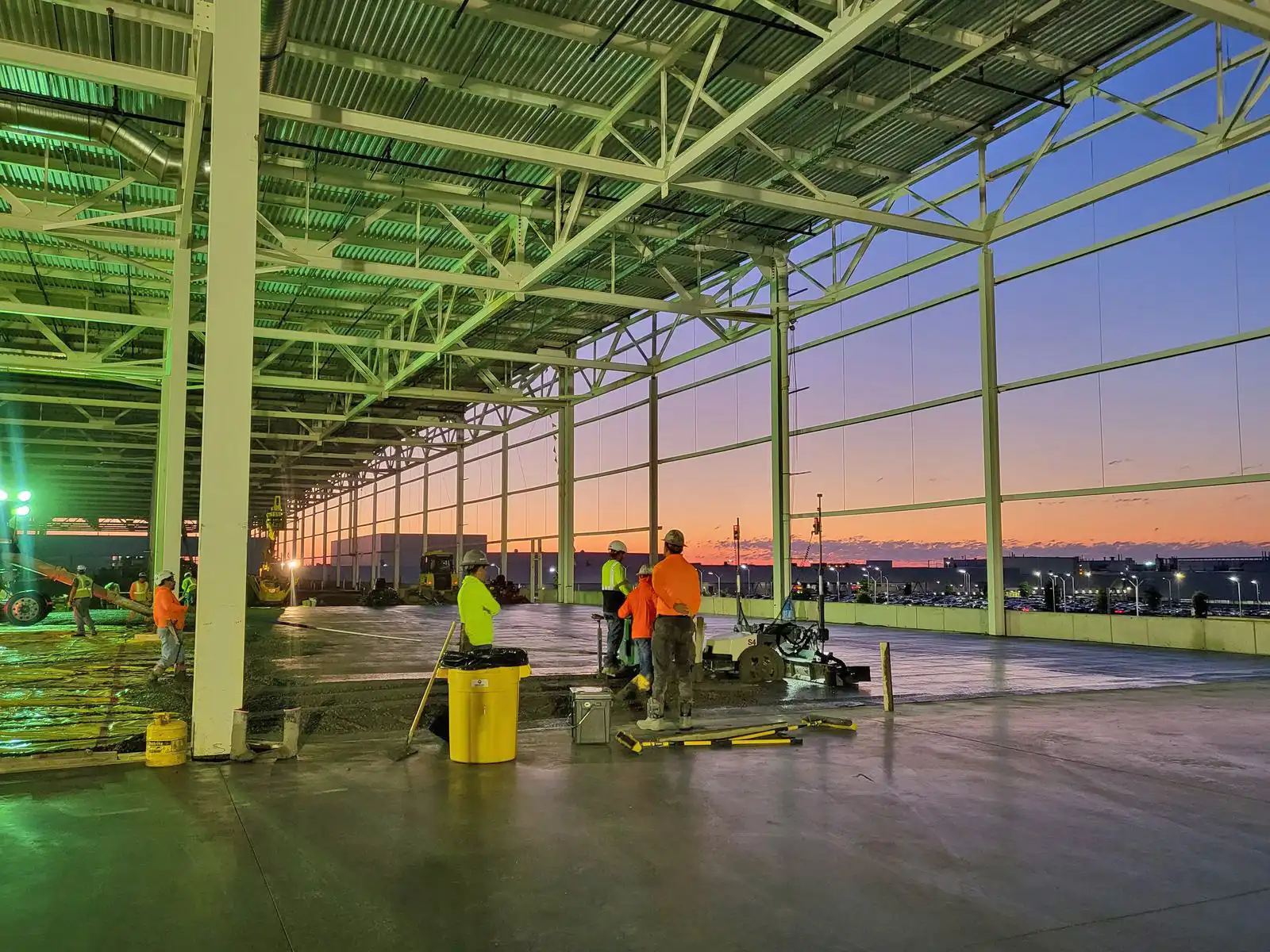
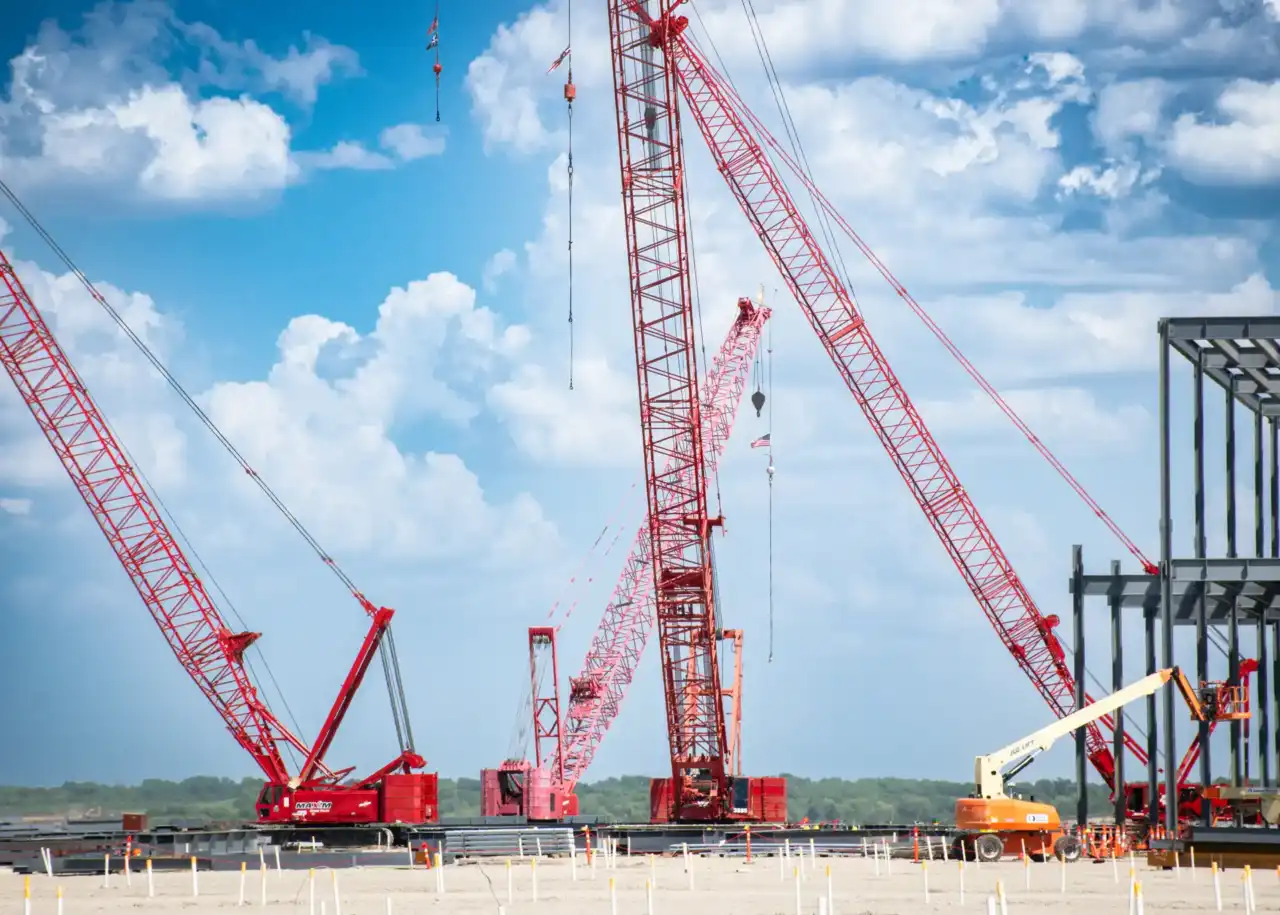
What IPI does: IPI coordinates contractor activities throughout the project, managing interfaces between trades, enforcing quality standards, and ensuring field execution remains aligned with the project plan. We are present where the work is happening, not just in the meeting room.
What you get: Contractors who are coordinated, accountable, and working from the same version of the plan.
The Equipment and the Facility Have to Be Ready for Each Other
Without it: Specialized equipment gets treated like standard materials. Lead times are underestimated, vendors are not properly vetted, and installation requirements fall out of sync with construction. The result is equipment arriving before the facility is ready, or too late to support the schedule.
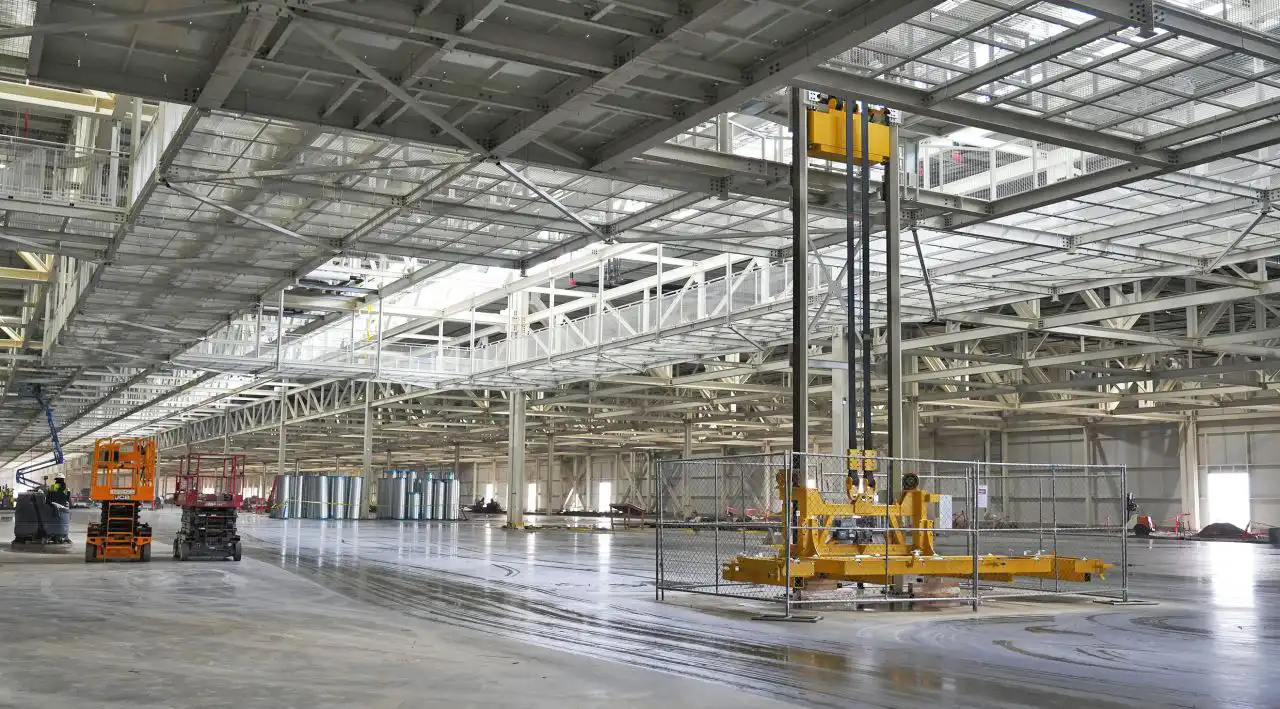
What IPI does: IPI manages specialized tooling and equipment as part of the overall project. That means identifying long-lead items early, qualifying vendors, and coordinating equipment requirements with facility design and construction sequencing.
What you get: Equipment that arrives when needed, meets specifications, integrates with the facility, and supports the SOP (Start of Production) schedule.
Built Right the First Time. Ready to Operate on Day One.
Without it: Quality issues that were not caught during construction become operational problems after turnover. Commissioning reveals gaps between what was designed, what was built, and what operations actually need.
What IPI does: IPI integrates quality assurance into construction execution, not as a final inspection step but as a continuous discipline throughout the build. We track commissioning readiness in parallel with construction progress so the project is operationally ready when construction completes.
What you get: A facility that is built to specifications, tested against operational requirements, and ready to run without a punch list that drags on for months.
Transparency Is Not Courtesy. It Is Project Control.
Without it: Ownership gets filtered information. Problems get softened before they reach leadership. Decisions get delayed because the right people did not have the right information in time to act.
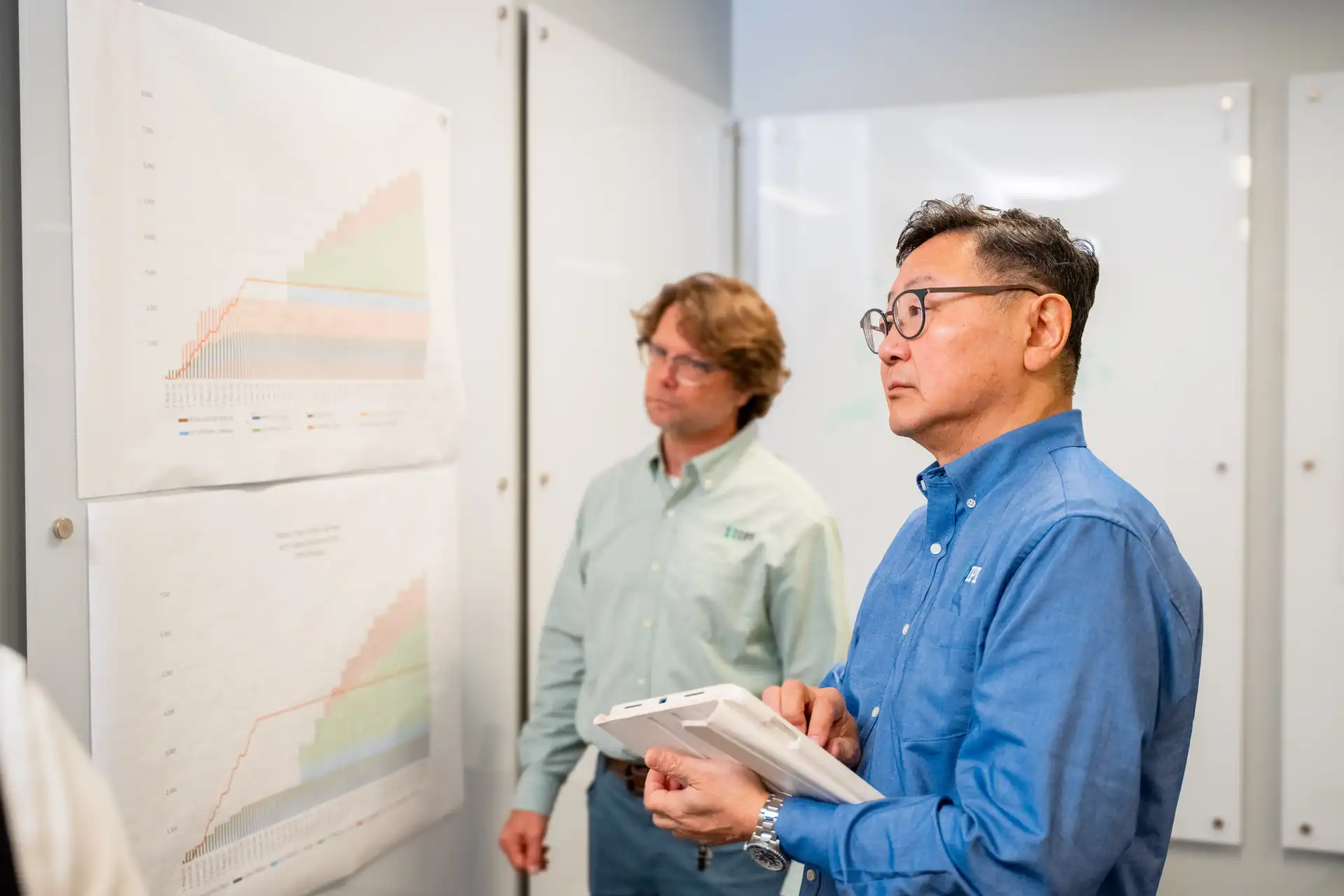
What IPI does: IPI establishes a communication and reporting framework at the start of every engagement. Status, risk, cost, schedule, and open issues are reported clearly, consistently, and without spin to the people who need to act on them.
What you get: A project where leadership is never surprised. Where the information you receive reflects what is actually happening in the field.
Project Management and Construction Management, or PMCM, is the integrated practice of leading both the management and construction phases of a capital project under a single delivery framework. A PMCM firm serves as the owner's representative, managing scope, schedule, cost, quality, contractors, and risk across the full project lifecycle. The goal is to give owners unified accountability and full project visibility without requiring their internal team to absorb the entire management burden.
Every party on a complex project has its own priorities. Contractors protect their scope. Designers protect their drawings. Vendors protect their delivery windows.
That is what PMCM delivers. Not more oversight. Unified leadership with a single point of accountability for the result.

A general contractor manages construction. IPI manages the project, including the general contractor(s). As the owner's representative, IPI's accountability runs to the owner's business objectives, not to a construction contract. That distinction determines whose interests are protected when decisions get difficult.
IPI can engage at any phase, but the highest value comes from early involvement. When IPI is part of the planning and framing phase, the PMCM framework is built on a foundation that was designed for it. Mid-project engagement is absolutely workable, and IPI has stepped into projects that needed stronger delivery leadership after work had already begun.
IPI functions as an extension of the owner's organization, not a replacement for it. We align with internal stakeholders, adapt to existing reporting structures, and build communication frameworks that keep the owner's team informed and in control of decisions that belong to them.
IPI's primary role is owner's representative and project delivery leader. In most engagements, IPI manages contractors on the owner's behalf without directly holding construction contracts. In select cases where an owner requires it, IPI can hold contractor contracts and manage execution through its own books. The structure adapts to the project and the owner's requirements. The accountability does not change.