
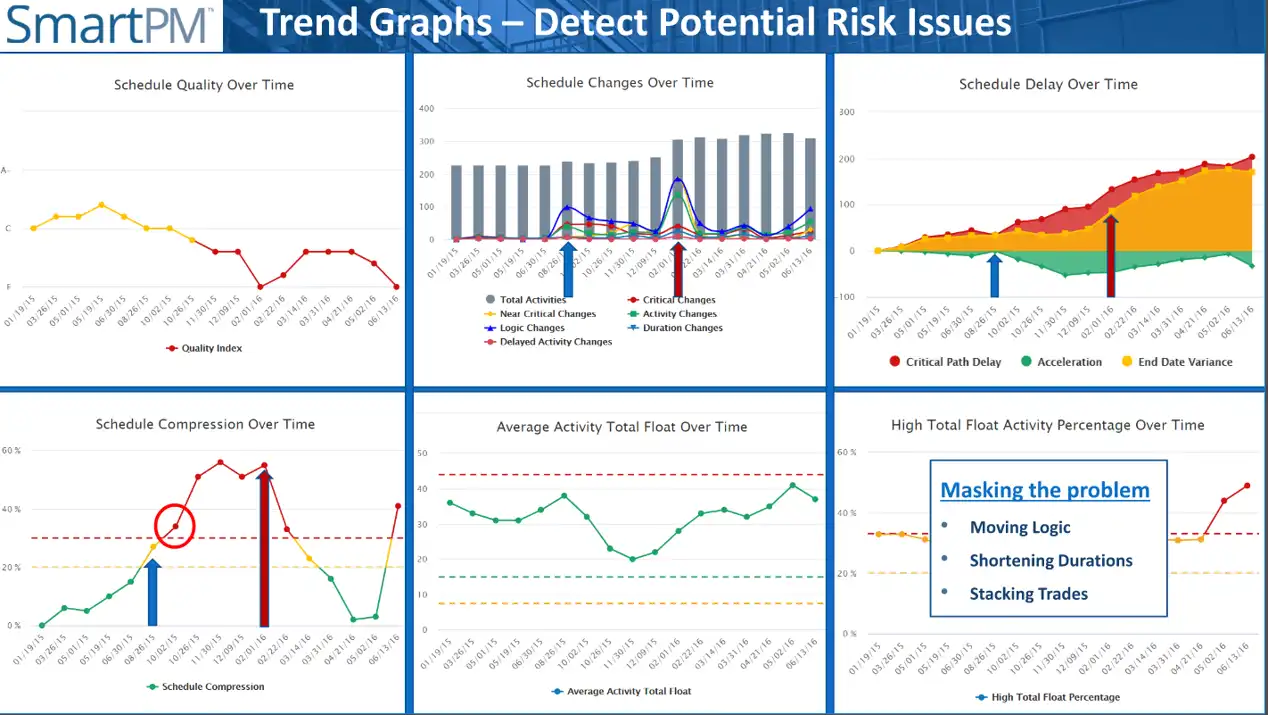
On complex industrial projects, the data that should drive decisions is often the last thing anyone sees clearly.
Project Controls failures rarely look like failures at first. They look like a schedule that is two weeks behind, but will catch up. A cost report that is slightly off but within tolerance. A change order that is being tracked somewhere. A risk item that everyone is aware of but nobody owns.
By the time those small gaps become visible on a report, they have already compounded into something that cannot be absorbed without schedule impact, budget exposure, or both.
IPI builds and manages Project Controls systems that give owners, project leaders, and field teams a shared, accurate picture of where the project stands and where it is heading.
Not more reports or more meetings. A disciplined controls framework that tracks cost, schedule, risk, change, and performance in real time and surfaces what needs attention before it needs escalation.
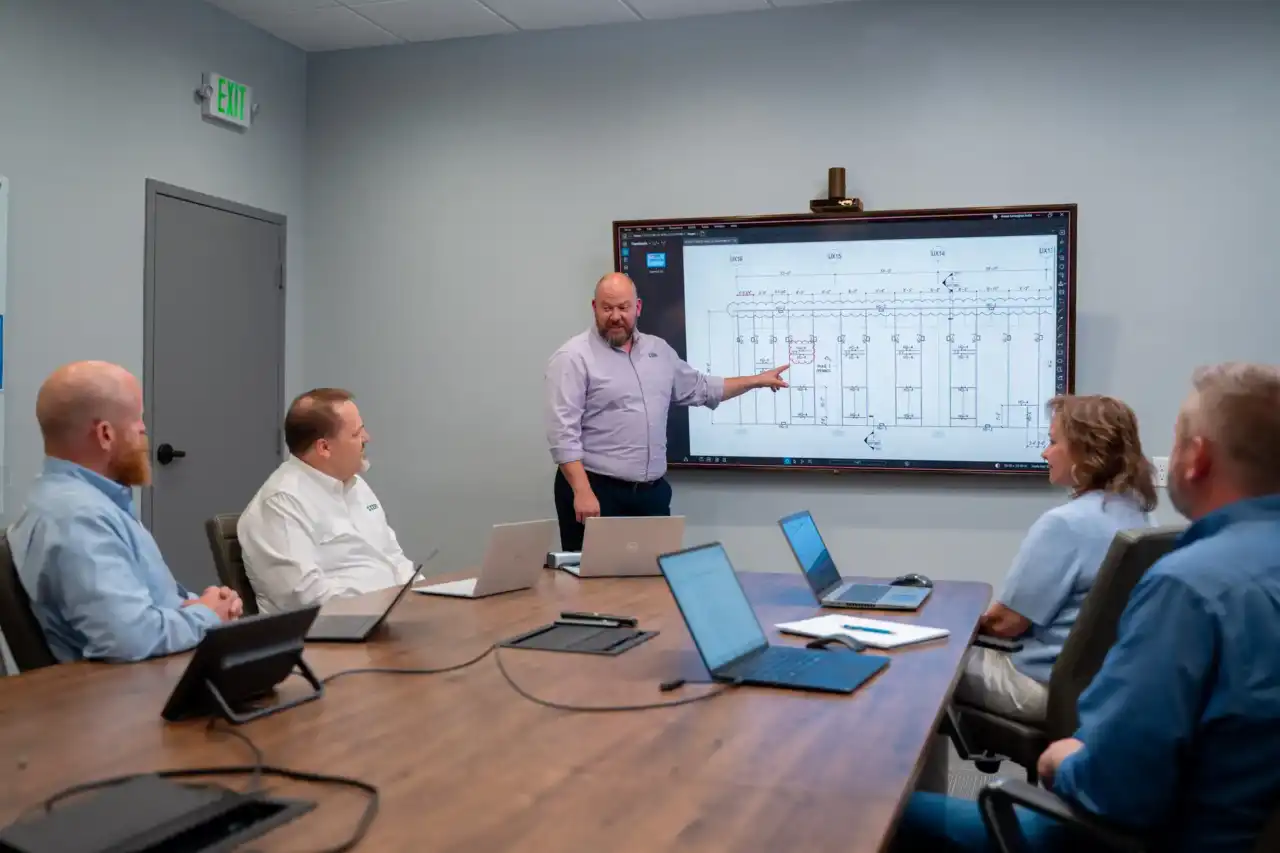

Every Change Has a Cost. Every Cost Gets Tracked.
WITHOUT IT: Changes get made in the field, on the phone, and in meetings without a consistent process for capturing scope, cost, and schedule impact. By the end of the project, the change log does not reflect what actually happened, and nobody can explain where the budget went.
WHAT IPI DOES: IPI establishes and enforces a change management process that captures every change, evaluates its impact on cost and schedule, routes it through the appropriate approval chain, and documents the outcome. No change moves forward without a clear record of what it costs and who approved it.
WHAT YOU GET: A change log that reflects reality, a budget that accounts for every approved change, and an audit trail that protects the owner when questions arise.
Risks That Are Tracked Are Managed. Risks That Are Not Expensive
WITHOUT IT: Risk registers get created at project kickoff and never opened again. Known risks sit without owners or mitigation plans. New risks surface without a process to capture and evaluate them. Leadership gets surprised by problems that were visible for weeks.
WHAT IPI DOES: IPI maintains active risk registers throughout the project lifecycle. Risks are assigned owners, evaluated for probability and impact, and tracked against mitigation actions. Reporting surfaces risk status to leadership at a cadence that enables decisions before options narrow.
WHAT YOU GET: A risk register that functions as a management tool, with active oversight and reporting that keeps leadership informed before risks become incidents.
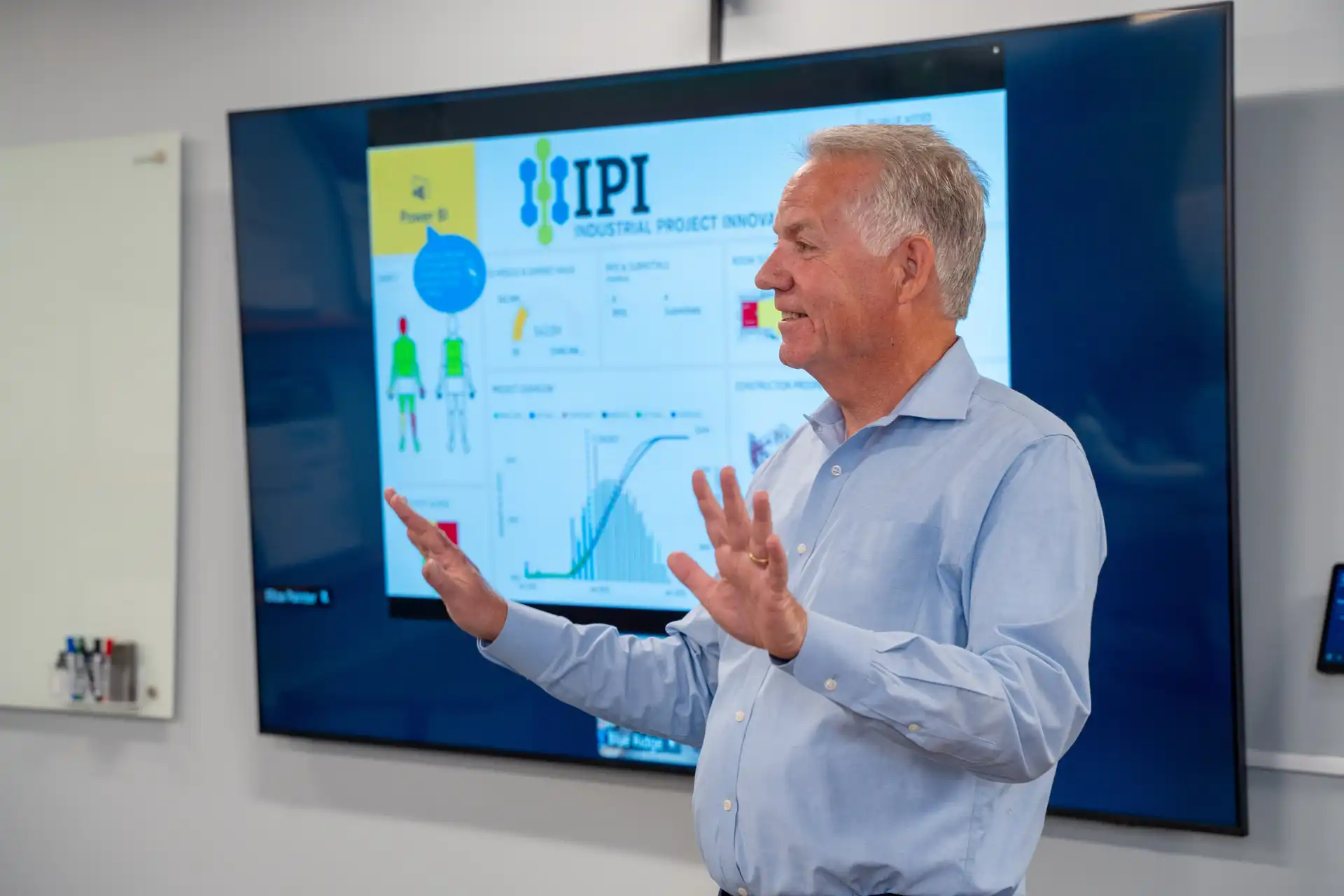
Reporting Should Drive Decisions, Not Document Them
WITHOUT IT: Project reports get produced on a schedule and distributed to a list. They document what happened. They rarely surface what needs to happen next. Leadership reads them after the window to act has already passed.
WHAT IPI DOES: IPI builds reporting frameworks around the decisions that need to be made, not the data that is easiest to collect. Metrics are selected for relevance to project objectives. Reports are structured to surface action items, not just status. Distribution is targeted to the people who need to act on what they receive.
WHAT YOU GET: Reporting that is worth reading, by the people who need to read it, in time to do something about what it says.
One Version of the Truth Across the Entire Project
WITHOUT IT: Field teams work from different versions of drawings. Submittals get lost in email threads. RFIs do not get answered in time to keep work moving. The project accumulates a document management problem that gets more expensive to untangle as it grows.
WHAT IPI DOES: IPI establishes document control systems and data management protocols to keep project information organized, up to date, and accessible to those who need it. Drawings, submittals, RFIs, and project records are managed through a consistent process, ensuring the field always works from the correct version.
WHAT YOU GET: A project where the right information is in the right hands at the right time, and where the document record is clean enough to support closeout, commissioning, and operations.
Project Controls are the systems, processes, and disciplines that track and manage cost, schedule, risk, change, and performance across a capital project. When Project Controls are working, leadership sees problems early enough to act on them. When they are absent or inconsistent, small variances compound into budget exposure and schedule loss before anyone in a position to act knows there is a problem. Strong Project Controls do not just report on project status. They make the decisions that keep the project on track.
Weak Project Controls do not announce themselves. They appear as a schedule that was always going to catch up.
Suddenly, the project is six weeks behind, a million dollars over, and nobody can explain exactly when it happened.

Standard reporting documents what happened. IPI’s Project Controls framework is built to surface what needs to happen next, early enough for decisions to make a difference. The distinction is between controls that inform and controls that drive. IPI builds the latter.
IPI builds control frameworks around the project’s needs and the owner’s existing systems where possible. The tools matter less than the discipline behind them. A Project Controls system is only as useful as the process that maintains it and the people who act on what it surfaces.
At the start of planning, not the start of construction. Cost baselines, schedule frameworks, risk registers, and change management protocols need to be in place before execution begins. Controls established mid-project are better than none, but they spend their first weeks catching up to decisions that were already made without them.
IPI embeds Project Controls into the project delivery structure rather than running them as a separate function. Controls data feeds directly into schedule management, cost oversight, procurement tracking, and risk reporting so the full project team is working from the same information at the same time.
IPI makes sure you see them in time.