

When engineering, procurement, construction, and operations run as separate tracks, the project pays for it at every handoff.
Industrial projects involve many people, many disciplines, and many moving parts. The technical work usually gets done. What breaks down is the space between teams.
Engineering finishes and hands off to procurement. Procurement hands off to construction. Construction hands off to operations. At every transition, assumptions get made, context gets lost, and the next team inherits problems the previous one did not know it was creating.
Nobody means for the project to fracture. It fractures because integration was never built into the delivery structure.
IPI connects engineering, procurement, construction, and operations around a shared project framework from the start. That means standardized workflows, clear communication protocols, defined handoff requirements, and reporting structures that keep every discipline working from the same version of the project.
Not coordination by meeting. Integration by design.
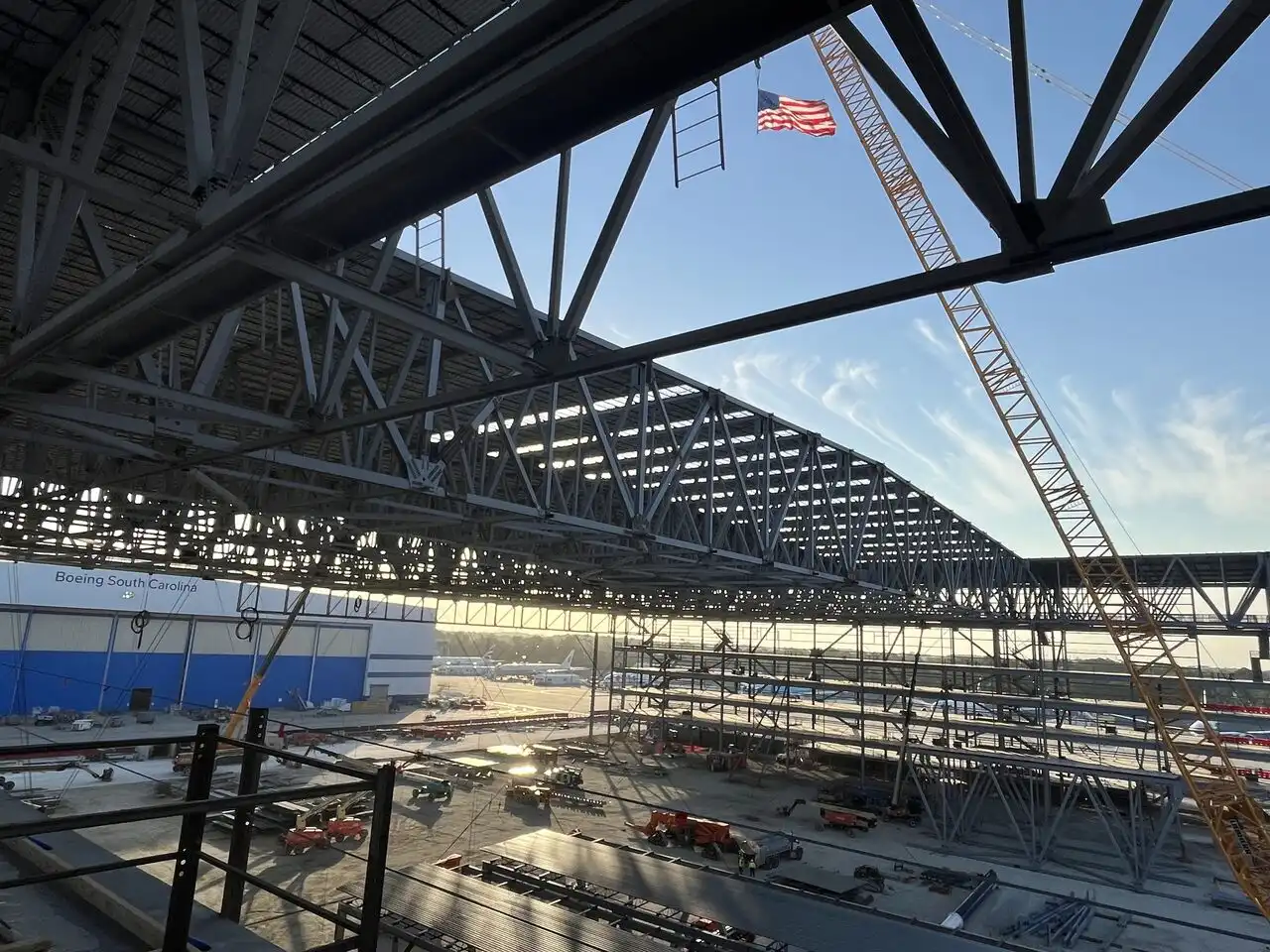


What Gets Designed Has to Be Buildable. What Gets Built Has to Match the Design
WITHOUT IT: Engineering produces drawings that create field problems. Construction makes field decisions that contradict the design intent. RFIs pile up. Rework accumulates. The schedule absorbs the cost of a disconnect that should have been resolved at the design stage.
WHAT IPI DOES: IPI manages the interface between engineering and construction to ensure design intent and field execution remain aligned throughout the project. That means structured design reviews, constructability input during engineering, and active coordination that catches conflicts before they become field problems.
WHAT YOU GET: Fewer RFIs, less rework, and a construction phase that is not constantly correcting for engineering decisions that were made without field input.
Materials Have to Be There When Construction Needs Them
WITHOUT IT: Procurement and construction run on separate tracks. Materials arrive out of sequence. Long-lead items are not identified early enough to protect the schedule. The construction team spends time waiting on deliveries instead of building.
WHAT IPI DOES: IPI integrates procurement planning and construction scheduling so that material and equipment delivery is aligned with construction sequencing. Lead times are tracked against the schedule. Procurement decisions are made with construction readiness in mind.
WHAT YOU GET: A construction sequence that is not interrupted by procurement gaps, with materials and equipment on site when the trades need them.
The Project Is Not Done Until Operations Can Run It
WITHOUT IT: Operations get handed a facility that was built to a construction standard, not an operational one. Commissioning surfaces gaps between what was designed, what was built, and what operations actually needs. The handoff becomes a negotiation instead of a transition.
WHAT IPI DOES: IPI brings operational requirements into the project delivery framework early, making sure construction decisions are evaluated against how the facility will actually be used. Commissioning readiness is tracked throughout the build, not assessed at turnover.
WHAT YOU GET: A facility that transitions from construction to operations without the discovery phase that delays startup and strains the relationship between project and operations teams.
The Right People. The Right Decision. The First Time.
WITHOUT IT: Stakeholders are informed after decisions are made rather than involved when decisions need to be made. Misalignment surfaces as change orders, rework, and disputes that could have been avoided with earlier coordination.
WHAT IPI DOES: IPI manages stakeholder alignment as an active discipline throughout the project. Decision rights are defined. The right stakeholders are engaged at the right stages. Alignment is maintained through structured communication and documented decision records.
WHAT YOU GET: A project where the people who need to be involved are involved, decisions are made with full context, and the record of those decisions is clear enough to protect everyone when questions arise later.
Project process integration is the practice of connecting the workflows, communication structures, and handoff requirements between engineering, procurement, construction, and operations teams on a capital project. When integration is built into the delivery framework from the start, information flows with the work, handoffs are clearly defined and executable, and the project does not fracture across disciplines. When integration is absent, the gaps between teams become the most expensive part of the project.
Disconnected teams do not fail loudly. They fail through assumptions that were never validated. Handoffs that dropped critical context.
By the time the cost of that disconnection shows up on a report, it has already been built into the project.

IPI assesses the existing team structure, workflows, and communication patterns and identifies gaps. Integration work on an active project starts with understanding what is already working and building the missing connections around it, rather than disrupting what does not need to change.
Project management focuses on delivering the project to scope, schedule, and budget. Project process integration focuses specifically on how the disciplines and teams involved in that delivery connect with each other. The two are complementary. Integration gaps are among the most common reasons well-managed projects still experience handoff failures and operational readiness problems.
Yes. Whether the project is running under a design-build, EPC, or traditional design-bid-build model, integration gaps between disciplines exist. IPI’s approach adapts to the delivery model and the existing team structure while addressing coordination and communication gaps that create problems regardless of contract structure.
At the planning stage. The workflows, communication protocols, and handoff requirements that will govern the project need to be designed before execution begins. Integration work that starts during construction is playing catch-up with problems that were already built into the project structure.
So is the cost of leaving them unmanaged.