When built in, it holds, but when added at the last minute, it fails when the project needs it most.
Most projects have safety documentation. Site safety plans. Orientation checklists. OSHA compliance records. The paperwork exists.
What breaks down is the distance between what the documents say and what actually happens in the field. When schedules tighten, safety standards compress. When safety is not embedded in the project delivery structure, it becomes something teams manage around instead of something that guides execution.
The result is not always an incident. Sometimes it is just a project that got lucky.
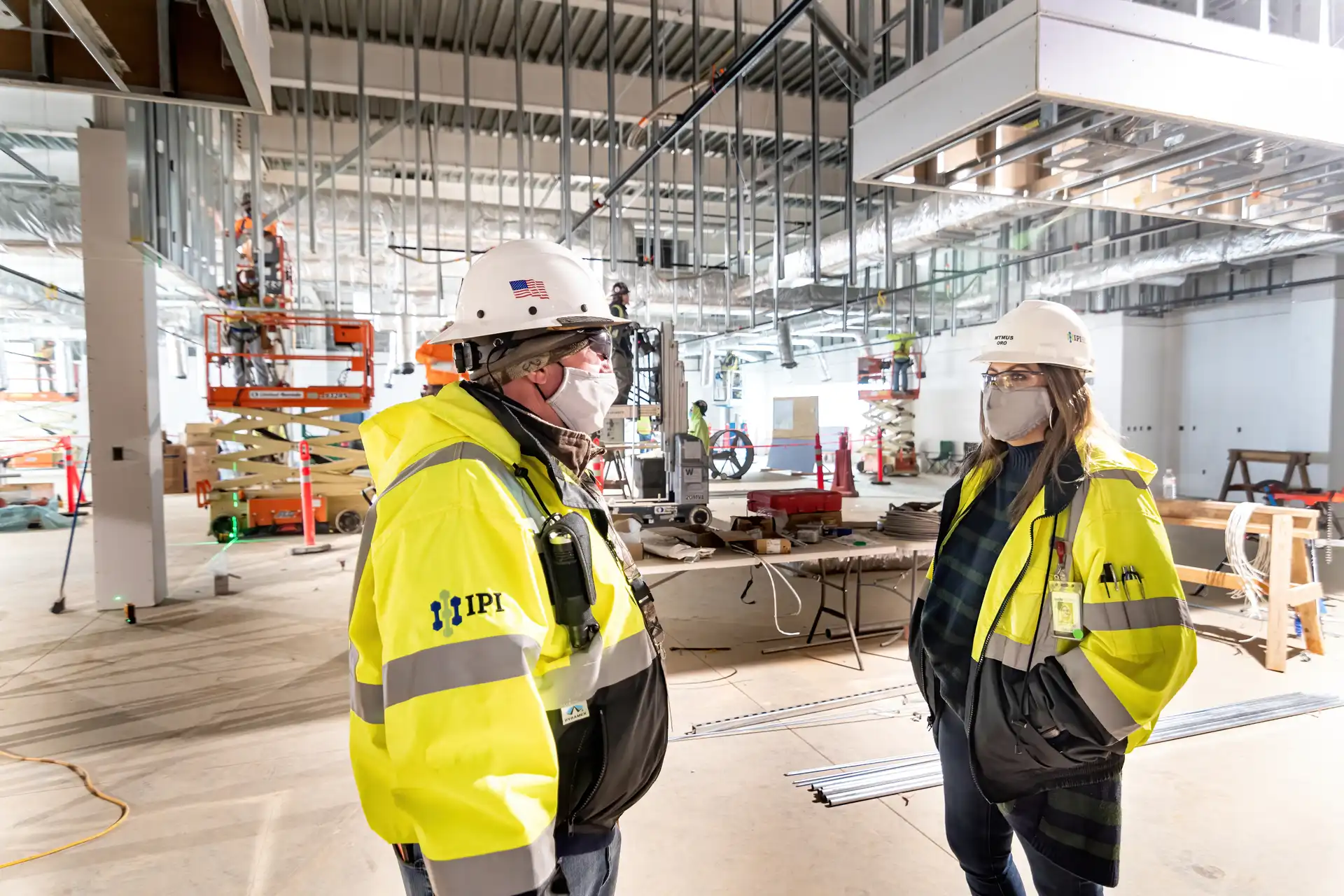
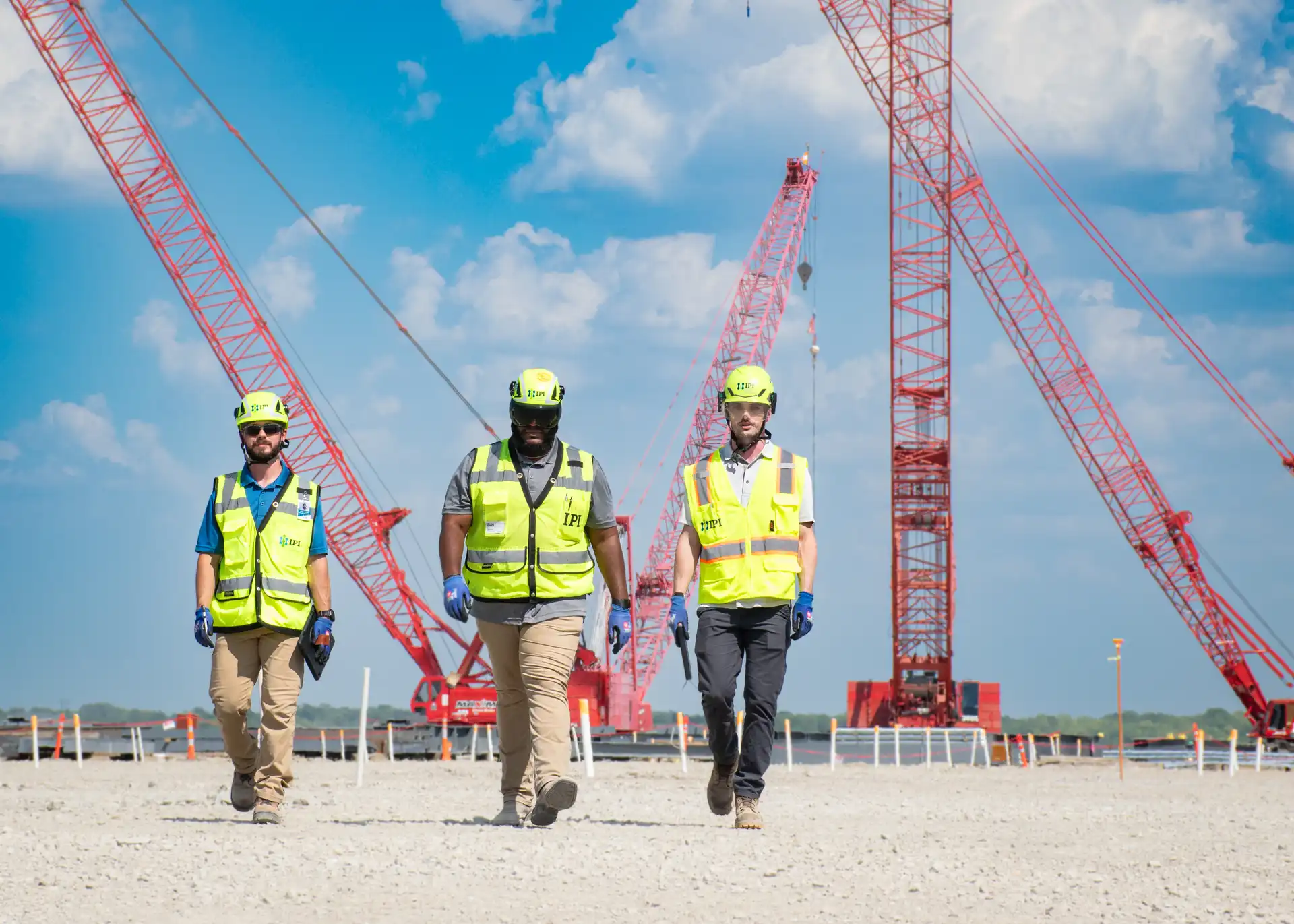
IPI’s trademarked Safe. Clean. Organized.™ philosophy is not a tagline. It is the operating standard IPI holds itself and every project team to across every engagement. Safety is embedded into IPI’s project delivery framework from day one. That means safety planning happens alongside project planning. Safety accountability is built into the same structure as schedule and cost accountability. And field safety is managed continuously, not audited periodically.
When safety is part of the delivery discipline, it does not compete with the schedule. It travels with it.
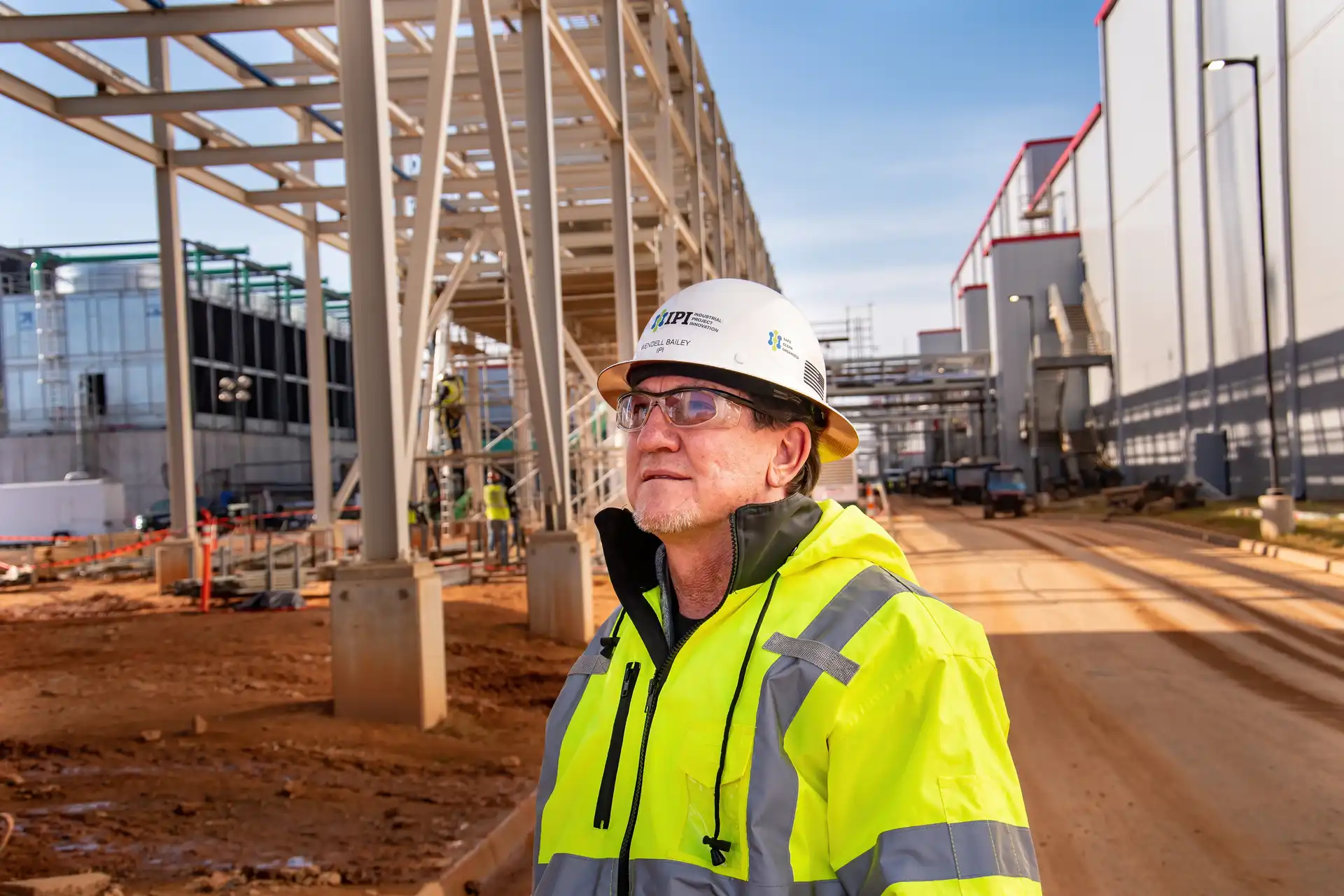
Everyone on the Site Needs to Know the Standard Before They Work on It
WITHOUT IT: Workers arrive on site with varying safety backgrounds and assumptions. Orientation is rushed or inconsistent. Contractors interpret requirements differently. The project carries a safety risk from day one because the baseline was never clearly established.
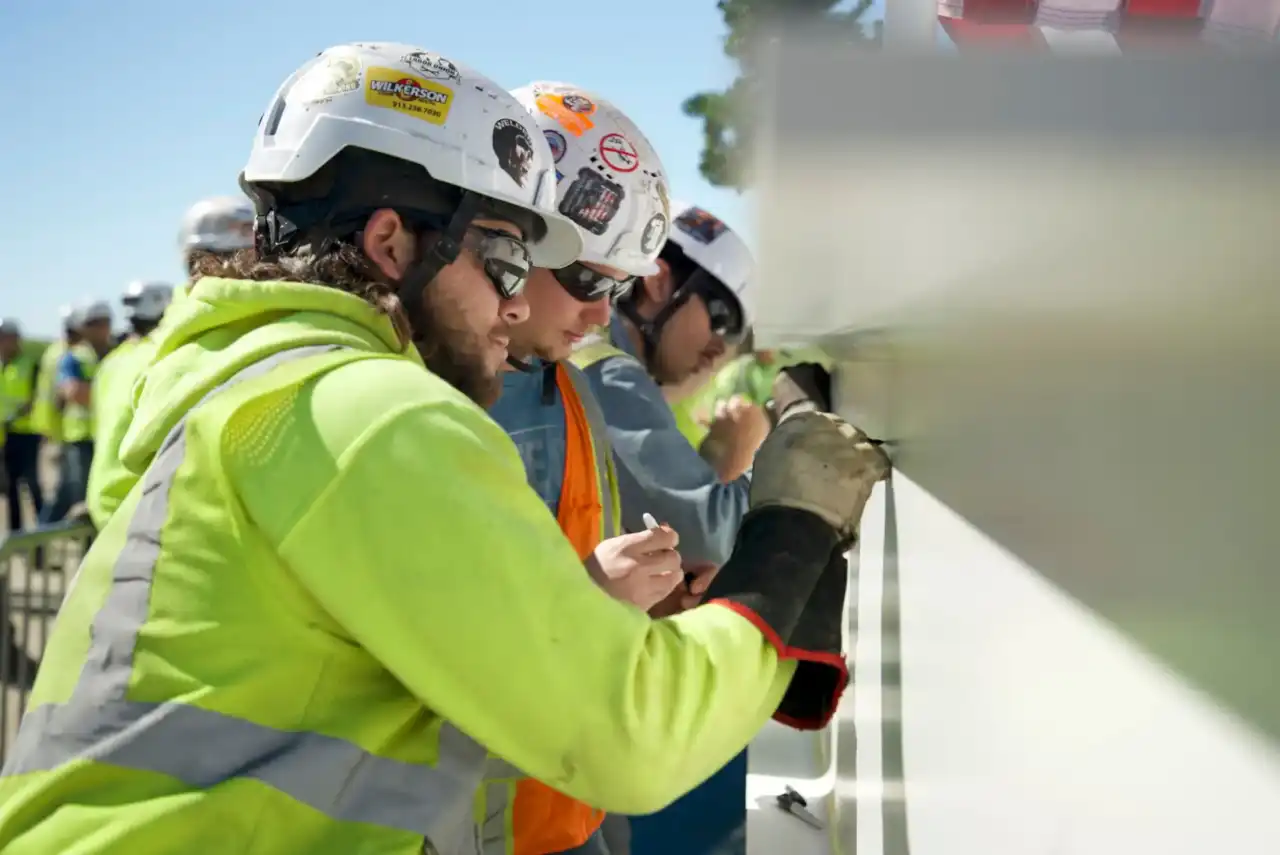
WHAT IPI DOES: IPI manages safety training and site orientation programs that establish a consistent baseline for every worker on the project, regardless of employer. We communicate requirements clearly, document them thoroughly, and reinforce them through ongoing training as the project progresses.
WHAT YOU GET: A workforce that arrives at work understanding the standard and a documentation record that demonstrates compliance.
Compliance Is the Floor. IPI Builds Above It.
WITHOUT IT: Regulatory compliance becomes a reactive exercise. Inspections surface violations that should have been caught internally. Reporting is inconsistent. The project carries regulatory risk that creates liability for the owner.
WHAT IPI DOES: IPI manages regulatory compliance as a proactive discipline. Required permits, inspections, documentation, and reporting obligations are tracked and managed throughout the project. IPI stays ahead of compliance requirements so the project is never caught unprepared by a regulatory visit.
WHAT YOU GET: A project that meets its regulatory obligations as a matter of standard practice, not emergency response.
The Goal Is Zero. The Process Is What Gets You There.
WITHOUT IT: Incident prevention relies on individual awareness rather than systematic risk identification. Near misses go unreported. Hazard assessments are completed as a formality rather than a genuine evaluation of site conditions.
WHAT IPI DOES: IPI conducts structured hazard identification and risk assessment throughout the project. Near misses are captured, investigated, and used to improve site conditions and work practices. Risk mitigation is treated as a continuous process, not a one-time evaluation at project kickoff.
WHAT YOU GET: A project site where hazards are actively identified and addressed, where near misses produce learning rather than silence, and where the incident rate reflects a genuine safety culture rather than good fortune.
Every Contractor on the Site Is Accountable to the Same Standard
WITHOUT IT: Contractors bring their own safety cultures onto the project. Standards vary. Enforcement is inconsistent. The project becomes a patchwork of safety practices, creating gaps at every interface between trades.
WHAT IPI DOES: IPI establishes a unified safety standard for the project and holds every contractor accountable to it, regardless of their internal safety program. Contractor safety performance is monitored, documented, and addressed through a consistent process that applies to everyone on the site.
WHAT YOU GET: A project site where the safety standard does not change depending on which contractor is working. Where accountability is consistent, and the owner is protected from the liability that comes with inconsistent enforcement.
Construction safety management on an industrial project is the practice of planning, implementing, and enforcing safety standards across every phase of the build. Effective safety management goes beyond regulatory compliance. It embeds safety into the project delivery structure so standards hold under schedule pressure, contractors are held to a consistent baseline, and hazards are identified before they become incidents. When safety is treated as a delivery discipline rather than a compliance requirement, it protects personnel, reduces liability, and produces better project outcomes.
Safety managed separately from project delivery does not remain strong when the project gets hard.
IPI builds safety into the delivery structure so it does not have to compete with the pressures that test it.

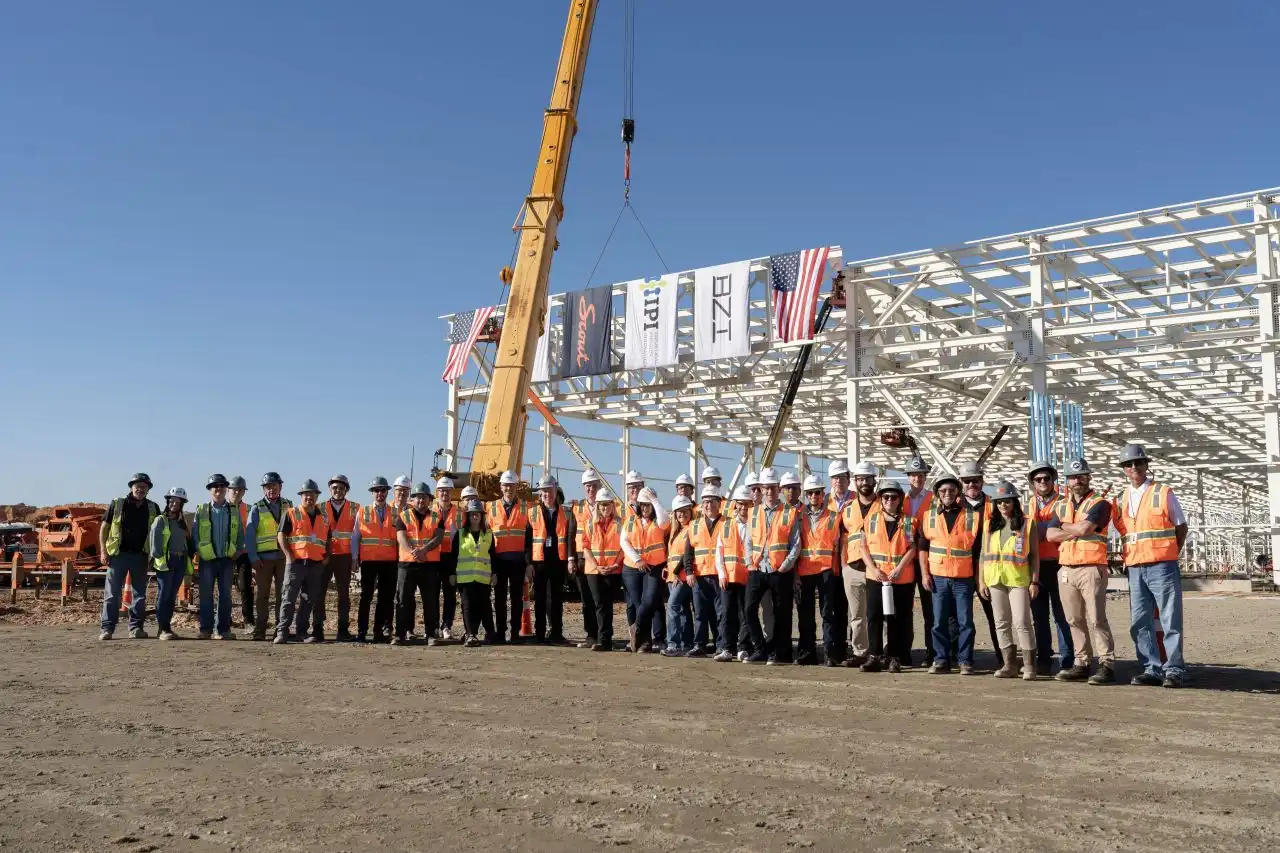
Safe. Clean. Organized.™ is IPI’s operating standard, not a marketing statement. In the field, it means project-specific, enforced safety plans; sites maintained to a standard that reflects disciplined execution; and organizational practices that hold the project team accountable for both. It is the standard IPI holds itself to and requires of every contractor working under its oversight.
IPI establishes a unified safety standard for the project and manages contractor compliance through a consistent oversight process. Every contractor is oriented to the same requirements, held to the same enforcement standards, and monitored against the same performance metrics. Variation in contractor safety culture does not produce variation in site safety standards.
The premise of the question is worth examining. When safety is embedded in the project delivery structure from the start, it does not compete with the schedule. It is part of how the schedule gets executed. Projects that treat safety as a separate workstream create the conditions in which that trade-off feels real. IPI builds projects where it is not.
IPI manages compliance with applicable OSHA standards, industry-specific regulations, and owner-defined safety requirements across the project environments it serves, including manufacturing, energy, automotive, aerospace, and mission-critical facilities. Specific compliance requirements are assessed at the start of every engagement based on project scope, location, and applicable regulations.
Let's talk about what that looks like on your project.